Key developments

- The Treaty of Lisbon is signed, together with a slightly revised version of the Charter of Fundamental Rights of the European Union (EU) originally drafted in 2000.
- 🇪🇺 The European Commission publishes:
- Communication on the follow-up of the Work Programme for better implementation of the Data Protection Directive (COM(2007) 87 final, 7.3.2007), highlighting persistent problems despite efforts to improve the implementation of Directive 95/46/EC;
- Communication on Promoting Data Protection by Privacy Enhancing Technologies (PETs), (COM(2007) 228 final, 2.5.2007).
- The European Data Protection Day is celebrated for the first time on 28 January 2007.
Also this year
- ⚖️ The European Court of Human Rights (ECtHR) decides in Copland v the UK, on 3 April 2007.
- 🇪🇺 On 21 January 2007 takes place a Summary of the public seminar on Data protection on the Internet (Google-DoubleClick and other case studies) organised by the Committee on Civil Liberties, Justice and Home Affairs (LIBE) of the European Parliament, in Brussels: see the summary for the Council.
- On 12 October 2007, the Chair of the Article 29 Working Party sends a letter to Peter Fleischer, Global Privacy Counsel at Google, noting that his response to prior exchanges ‘raised several issues about processing personal data in general’.
- The Article 29 Working Party publishes its tenth annual report, covering 2006.
- The European Commission organises a Conference on Public Security, Privacy and Technology in Brussels on 20 November 2007.
Literature
- Newman, Abraham (2007), ‘Protecting Privacy in Europe: Administrative Feedbacks and Regional Politics’, in Sophie Meunier and Kathleen R. McNamara (eds.), Making History: European Integration and Institutional Change at Fifty, OUP.
- Bing, Jon (2007), ‘Computers and Law: Some beginnings‘, it – Information Technology, 49(2), 71-82.
- Del Castillo Vázquez, Isabel-Cecilia (2007), Protección de datos: cuestiones constitucionales y administrativas: El dercho a saber y la obligación de callar, Thomson Civitas.
- lshammar, Lars (2007), ‘When computers became dangerous: The Swedish computer discourse of the 1960s‘, Human IT: Journal for Information Technology Studies as a Human Science, 9(1), 7-37.
- Lyon, David (2007), Surveillance Studies: An Overview, Polity Press.
- National Research Council (2007), Engaging Privacy and Information Technology in a Digital Age, The National Academies Press.
- Ripol Carulla, Santiago and Jordi Bacaria Martrus (eds.) (2007), Estudios de protección de datos de carácter personal en el ámbito de la salud, APDCAT.
- Steinmüller, Wilhelm (2007) ‘Das informationelle Selbstbestimmungsrecht – Wie es entstand und was man daraus lernen kann‘, RDV 2007, S. 158 ff.
- Stocker, Gerfried and Christine Schöpf (eds.) (2007), Ars Electronica 2007: Goodbye Privacy, Hatje Cantz.
- Waldo, James, Herbert S. Lin, and Lynette I. Millett (eds.) (2007), Engaging Privacy and Information Technology in a Digital Age, The National Academies Press.
Watch
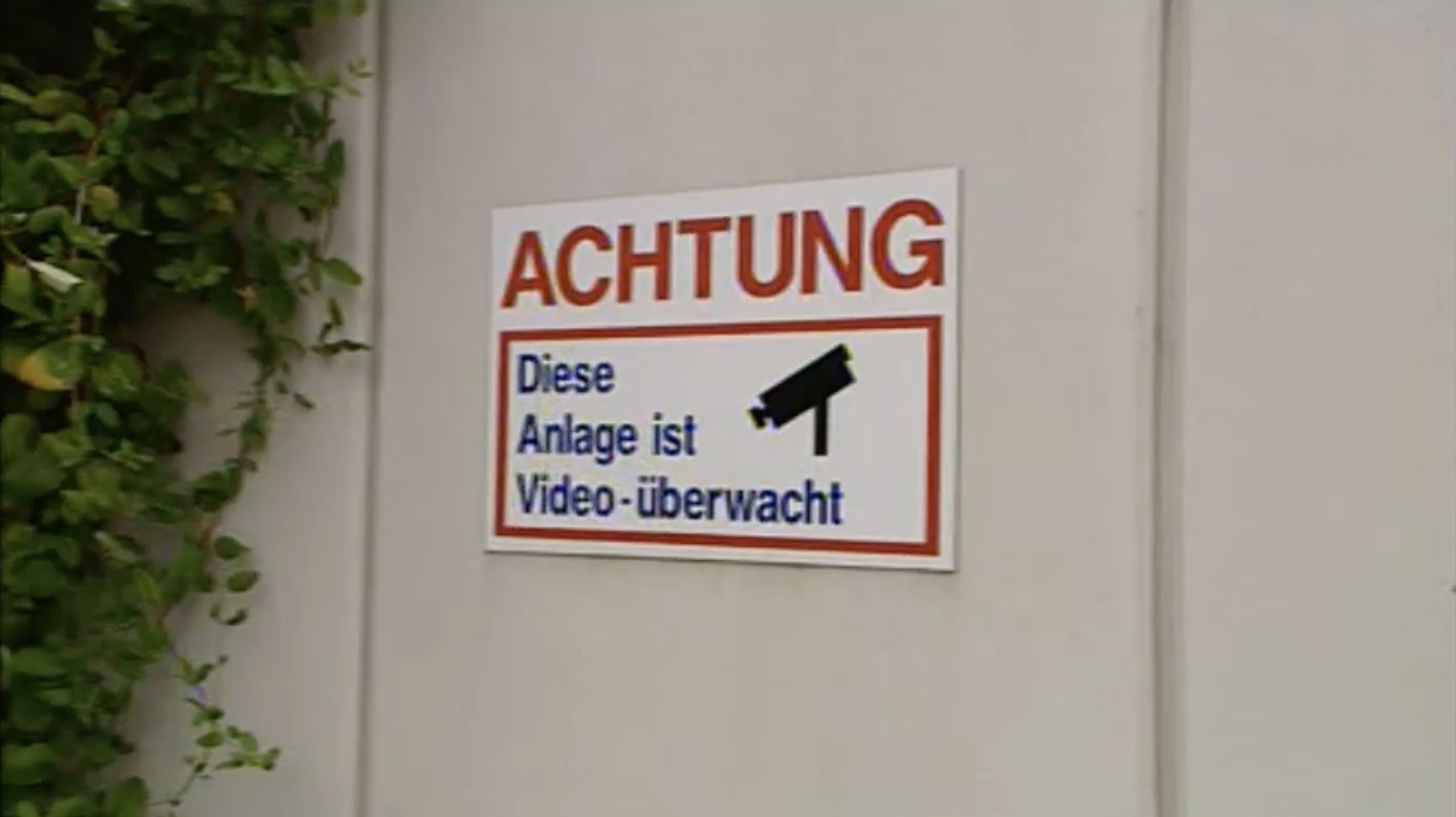

- 📺 ‘Videoüberwachung Gemeindebau‘ (Video surveillance of dust bins), ORF / Austria, EUscreen.
- 📺 ‘Staatliche Online-Durchsuchung – Diskussion um Rechtmäßigkeit‘ (State online search – discussion about lawfulness), Deutsche Welle / Germany, EUscreen.
In memoriam
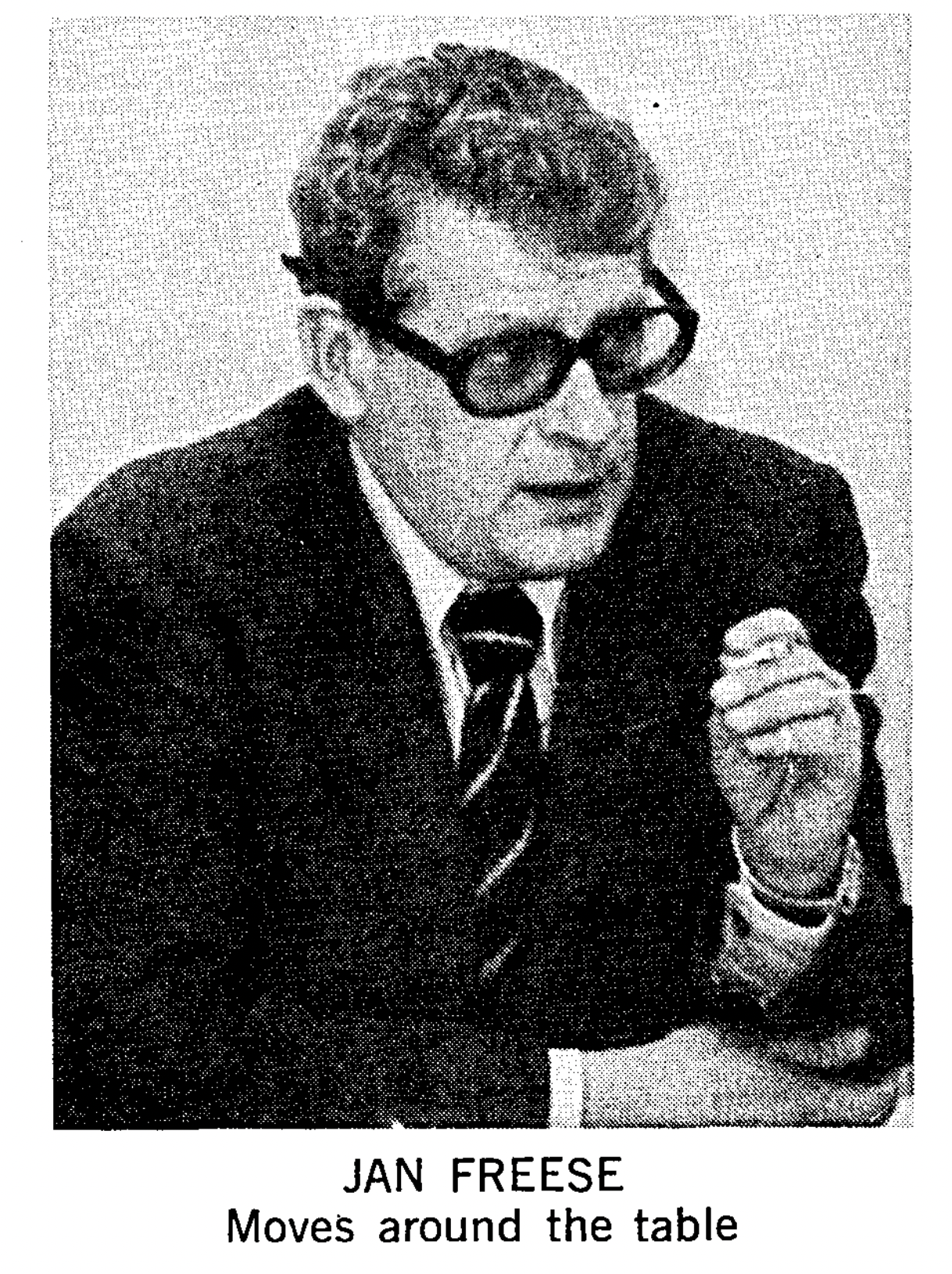
- Jan Freese (28 October 1933 – 28 September 2007): ‘father of the Swedish Data Protection Act, the first comprehensive Privacy Protection Law of a sovereign country‘ (in the words of Hans Peter Gassmann)); described in July 1977 by Datamation as ‘the man who blew the whistle’ about data transfers. He was the Director General of the Swedish Data Protection Authority from 1977 to 1986 (he replaced Claes-Göran Källner, who also died on a 28 of September, but in 2011).
 Gloria González Fuster